Proposed UK Social Media Ban for Under-16s: Key Uncertainties
Following the recent government announcement, the UK is set to implement a social media ban for individuals under 16. However, significant details regarding the specific applications and platforms included, how it will apply to gaming sites like Roblox, and enforcement mechanisms, particularly concerning virtual private networks (VPNs), remain unclear. Ministers have indicated that further updates on potential restrictions, including curfews and limitations on 'addictive' features, will be provided in July. Below are some of the critical questions surrounding this impending ban.
Implications for Gaming Platforms like Roblox
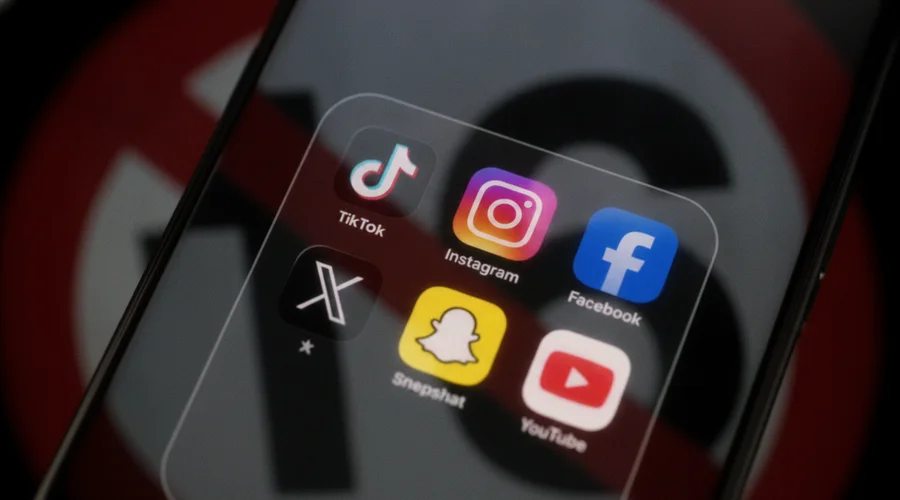
While the government has explicitly named Snapchat, TikTok, YouTube, Instagram, Facebook, and X as platforms included in the ban, the treatment of gaming sites like Roblox is less certain. The government's approach is expected to align with Australia's, where platforms such as Kick, Reddit, Threads, and Twitch are also restricted for under-16s. Roblox, a highly popular platform among UK children, has faced criticism regarding child safety. Although Roblox states it has implemented measures to protect young users, including age estimation tools, the legal status of such gaming sites under the ban is still being determined. Professor Lorna Woods of Essex University notes that under the Australian model, gaming sites generally fall outside the ban. Regardless, all platforms, including gaming services, will be required to disable features that facilitate communication between strangers and children.
The Role of YouTube and Educational Content
YouTube is slated for inclusion in the ban, while YouTube Kids will be exempt. A key challenge lies in how YouTube will prevent children from accessing its main platform through search without an account once the ban is in effect, and how educational content will be carved out from these restrictions. YouTube has expressed concerns that a ban could push children towards less secure, anonymous services, emphasizing its role as a vital resource for young people. Research cited by Google suggests that a significant majority of UK teenagers find educational videos helpful for schoolwork. The government has indicated there will be a 'narrowly defined list of exemptions' for platforms covered by the ban to ensure educational services remain accessible to children.
Exclusions: WhatsApp and Other Platforms
Messaging applications such as WhatsApp, despite being widely used by children and teenagers, are not expected to be included in the ban. The government's definition of platforms subject to restrictions focuses on those 'whose purpose is to enable social interaction and which allow users to post material.' This definition would likely exclude messaging apps but could potentially encompass platforms like Discord and Pinterest. However, these, along with others like Bluesky, Tumblr, and Telegram, are absent from Australia's list of banned platforms, suggesting they may also be excluded in the UK.
Enforcement and the VPN Dilemma
A significant question revolves around the enforcement of the ban, particularly concerning the use of VPNs. The government plans to utilize 'highly effective age assurance' methods, such as facial age estimation, photo ID matching, or digital identity services. Ofcom, the regulator, has highlighted the technical challenges of accurately verifying ages for those under 16, noting that fewer reliable methods exist compared to verifying individuals over 18. Concerns have been raised that tech-savvy children might use VPNs to circumvent the restrictions. While the government has not yet disclosed specific plans to regulate VPNs, ministers have indicated that details regarding such actions, including potential age-gating for VPN use, will be provided in July. The Prime Minister acknowledged that some teenagers would likely attempt to bypass the ban, but stressed the importance of legislation to protect younger generations.
Timeline for Implementation
Implementing such regulations in the fast-evolving tech sector can be a lengthy process, as evidenced by the Online Safety Act. However, the government intends to use powers granted by the Children's Wellbeing and Schools Act, allowing for quicker implementation through secondary legislation. Tech Secretary Liz Kendall has expressed a desire for a vote on the ban by the end of the year, aiming for it to come into force in early 2027. Nevertheless, potential legal challenges from tech companies, such as judicial reviews, could delay this timeline. Giulia Carloni, a senior associate at Winston Taylor law firm, notes that secondary legislation is subject to court review, unlike primary legislation, which could prolong the process.
Source: What UK social media ban means for gaming and YouTube