Government Scrutinizes Thames Water's Future
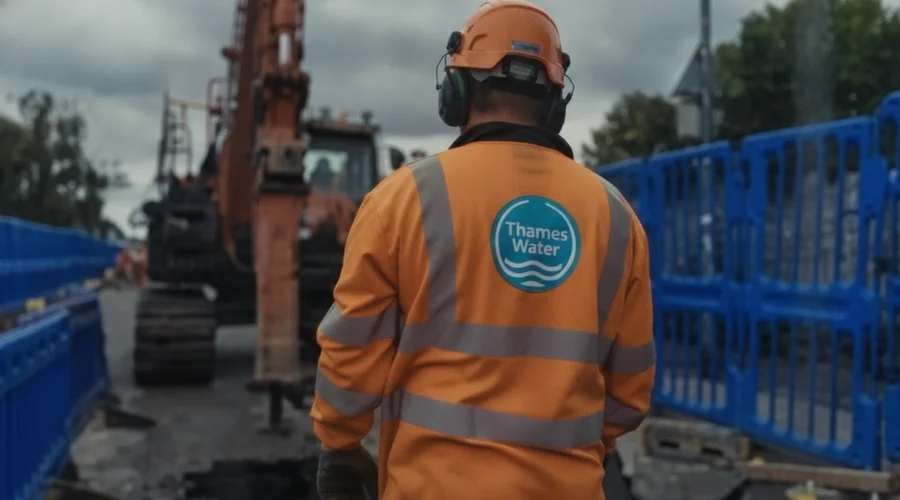
The UK government has voiced objections to a proposed rescue deal for Thames Water, signaling a potential move towards some form of nationalization for the country's largest water utility. Environment Secretary Emma Reynolds formally communicated her concerns to the industry regulator on Monday regarding the £10 billion financial package put forth by the company's lenders.
Thames Water, which serves approximately 16 million customers primarily in London and parts of southern England, has faced considerable criticism in recent years due to its operational performance, including issues with sewage discharges and pipe leaks. The company incurred a record £122.7 million fine in May of last year from Ofwat, the industry regulator, for violations related to sewage spills and shareholder payouts.
Rescue Plan Under Review
A consortium of existing lenders, London & Valley Water (L&VW), has proposed a deal that includes writing off £9.4 billion of Thames Water's nearly £20 billion debt and injecting billions in new capital. This plan, part of a broader £10 billion business strategy extending to 2030, would see £3.35 billion in cash input and a new £6.55 billion debt facility. However, the lenders are seeking leniency from future pollution fines in return.
Secretary Reynolds stated on Tuesday that the proposed deal does not adequately benefit consumers or the environment. She expressed three primary concerns: the potential for unfair costs to customers, delays to crucial infrastructure investments, and a slowdown in environmental improvements. Reynolds emphasized that she does not want Thames Water customers to bear the cost of the company's past failures and indicated that the government is prepared for "all eventualities," including temporary nationalization.
Conflicting Views on the Path Forward
"There is an expectation in the proposal for customers to fund and therefore bear an undue cost for investment in the company," Reynolds said. "In addition, I'm not convinced about the proposal's request to reduce performance standards and about the significant delay to vital infrastructure investments needed."
Conversely, L&VW maintains that their plan offers "the fastest route to improve outcomes for customers and the environment, without any government funding or any cost to taxpayers." A spokesperson for the consortium argued that their proposal is a "long-term solution that recognises the full extent of Thames Water's problems" and does not anticipate customer bill increases beyond those set by Ofwat. They cautioned against creating further delays or transferring risk to taxpayers through special administration, asserting it would only impede the company's recovery.
Ofwat is currently reviewing the proposal, and a decision is anticipated this summer. The regulator confirmed it would consider the Environment Secretary's views as it assesses whether the plans can genuinely improve the company's operational performance and financial resilience for the benefit of customers and the environment.
The Specter of Special Administration
Without an agreed rescue deal, Thames Water faces the prospect of running out of cash within months, potentially leading to its collapse. The government has previously expressed a preference for a "market-based solution" but has indicated readiness to intervene if necessary. A potential temporary nationalization, known as a special administration regime (SAR), would involve government-appointed managers overseeing the company's operations. Proponents of SAR suggest it could offer Thames Water a fresh start, allowing it to address its losses and be sold without its substantial debt burden.
Source: Original Article