
Understanding the Social Media Ban for Under-16s
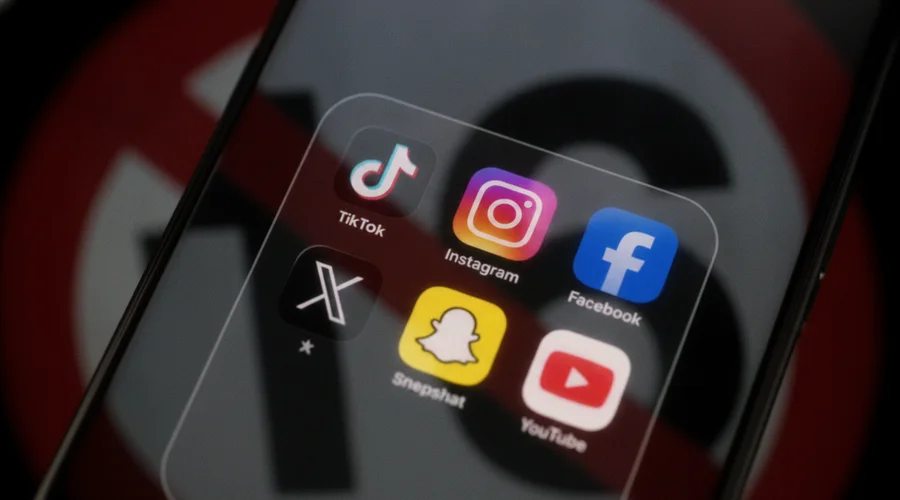
The recent decision to prohibit social media access for individuals under the age of 16 has prompted widespread discussion about the potential ramifications for children. This significant policy shift is expected to alter various aspects of young people's lives, from their social interactions to their engagement with digital content.
Key Discussion Points Emerge
In the aftermath of the announcement, a conversation involving the education secretary delved into several key areas. These discussions included:
- The potential benefits of increased 'boredom' for children, suggesting it could foster creativity and alternative activities.
- The role of parental supervision in children's digital consumption, specifically addressing whether it is acceptable for parents to co-view platforms like YouTube with their children.
- Consideration of whether the standard school day should be extended to accommodate changes in children's routines and engagement.
Considering the Broader Implications
While the immediate goal of the ban is to safeguard children, its long-term effects on their development, social skills, and access to information remain subjects of ongoing analysis. The policy aims to re-evaluate the balance between digital engagement and traditional childhood experiences, prompting a re-evaluation of how young people spend their time and interact with the world around them.
Source: BBC Sounds