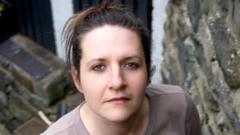

From Illness to Opportunity: Briony May Williams's Journey
Briony May Williams, known for her appearance on the Great British Bake Off in 2018 and subsequent television presenting roles, has revealed how a health diagnosis in 2013 unexpectedly shaped her career path. While signed off from her teaching job in Bristol due to severe symptoms, Williams began baking as a way to manage stress.
Williams experienced significant fatigue, difficulty with physical activity, and other unusual symptoms before receiving a diagnosis of polyendocrine metabolic ovarian syndrome (PMOS) after seven months. PMOS is a hormonal and metabolic disorder, previously known as polycystic ovary syndrome (PCOS).
"If I hadn't got that in 2013, I wouldn't have started baking," Williams stated. "If I hadn't started baking and carried on baking, I wouldn't have gone on Bake Off five years later and my life wouldn't be what it is now."
Since her debut on Bake Off, Williams has established a career as a presenter, contributing to programs such as BBC One's Morning Live and Escape To The Country, as well as Channel 4's Food Unwrapped.
Understanding PMOS and Its Impact
Following her diagnosis in 2013, Williams began a treatment regimen that allowed her to return to work within two months. She now manages her symptoms through a combination of medication and diet. Williams is also advocating for increased public awareness of PMOS and improved diagnosis rates.
According to the NHS, PMOS is a condition affecting how women's ovaries function. Key characteristics of the syndrome include irregular periods, elevated levels of androgen hormones that can cause excessive facial or body hair, and enlarged ovaries with fluid-filled sacs surrounding eggs. A diagnosis can be made if any two of these features are present. Other potential symptoms include weight gain, challenges with conception, oily skin, and thinning hair. While there is no cure, symptoms are treatable, and many women with PMOS can achieve pregnancy with medical intervention.
The renaming of PCOS to PMOS occurred on May 12, driven by concerns that the original term placed undue emphasis on "cysts" and ovaries, despite the syndrome's broad range of symptoms. The fluid-filled sacs associated with PMOS are not considered true cysts. The International PCOS Network expressed hopes that the name change would enhance understanding and aid in treatment and diagnosis.
Williams reflected on the name change, saying, "Hopefully lots of people out there who will be suffering with PMOS will get a diagnosis sooner and get more understanding from the healthcare professionals they see, from their family, from their support system." Despite this, she acknowledged that the delay in her own diagnosis inadvertently led to her television success. "I got quite emotional when I found out [about the name change] because I thought if it had this name back in 2013, would I have got a diagnosis quicker? If [the delay] hadn't have happened, then so many other wonderful things wouldn't have happened," she concluded.